

By Victor Onyedikachi Nwaogwugwu
“For unity to be meaningful, it must be creative—not like Jonah trapped in the whale, but like a marriage that brings life.” Those words from the late Chukwuemeka Odumegwu Ojukwu still ring painfully true for the Igbo people.
Over fifty years after the Biafran War, Nigeria’s southeast continues to live under the long shadow of exclusion and injustice. Rather than build a nation on fairness and mutual respect, successive governments have entrenched structures that sideline the Igbo from power and prosperity.
Consider the numbers: the Southeast remains the only zone with just five states, while others enjoy six. This directly translates into fewer seats in the National Assembly and less federal allocation. Key appointments across security agencies and lucrative government sectors rarely go to Igbos, despite the constitution’s promise of equitable representation under the so-called “Federal Character” principle.
Economically, it’s no better. Igbos drive a staggering share of Nigeria’s commerce—some estimates say they comprise 80% of importers. Yet their region lacks a functional seaport, forcing them to clear goods through Lagos under harsh conditions and multiple extortions. Even basic air travel remains a struggle; while the north has more international airports than it needs, the southeast has none operating to its true potential. These are not mere inconveniences; they are deliberate bottlenecks designed to keep the region perpetually disadvantaged.
Security and dignity are also routinely compromised. From orchestrated violence to subtle policies, the Igbo remain targets. The 1972 Indigenization Decree, rushed in when Igbos were still recovering from war, effectively shut them out from buying stakes in major enterprises—cementing economic setbacks that still echo today.
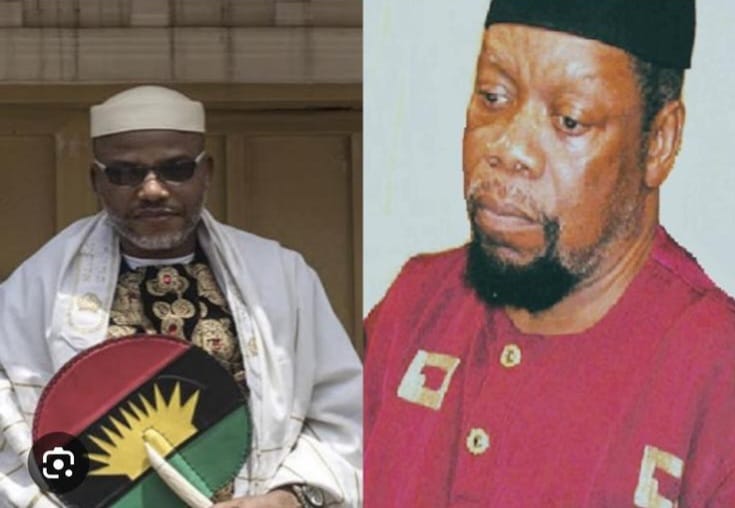
Meanwhile, activists like Mazi Nnamdi Kanu, leader of IPOB, languish in detention, while similar agitators from other regions walk free. It tells the Igbo in unmistakable terms: your voice matters less.
So the question becomes simple: if Nigeria cannot assure the Igbo of equal rights, equal opportunities, and basic safety, why insist they remain? Why shouldn’t they, peacefully and through dialogue, be allowed to decide their own fate—just as other peoples around the world have done?
Some fear that letting Biafra go would spark chaos. But the greater danger lies in stifling legitimate self-determination. Dialogue, not gunfire, remains the path to a lasting solution. As Winston Churchill rightly warned, “It is better to jaw-jaw than to war-war.”
Unity forced through marginalization is a powder keg waiting for a spark. Nigeria must either urgently restructure into a truly just federation or accept that peaceful separation might ultimately serve all parties better.
Let us choose fairness over force. And if fairness is too much to guarantee, then let the Igbo go—so they can build a future on their own terms.
Published by Victor Onyedikachi Nwaogwugwu freedom fighter activist.




Discussion about this post