

Ojukwu’s Prophecy Isn’t Being Fulfilled — We’re Just Failing Ourselves Again
By: Scott Omoefe Phillip
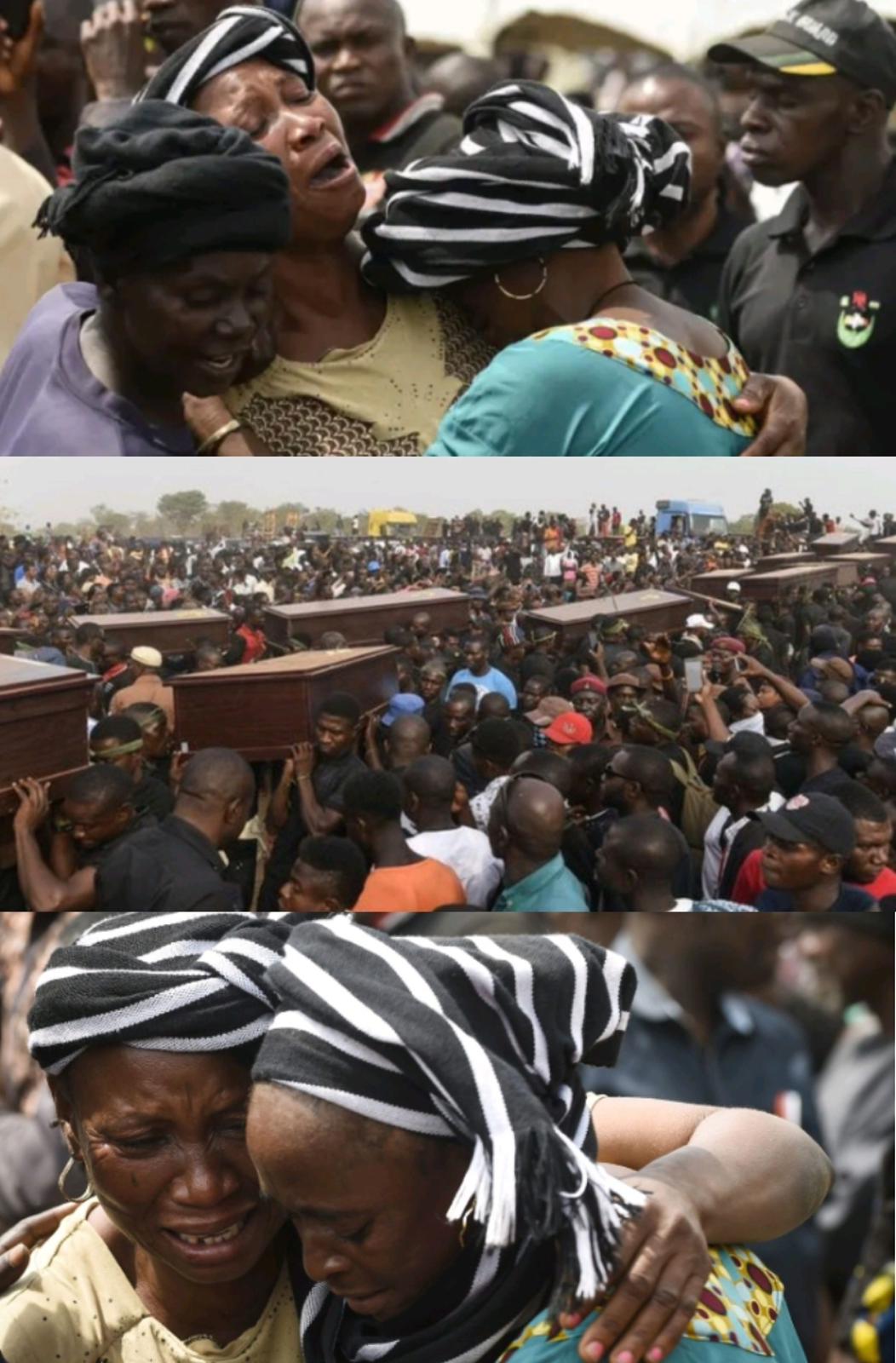
When Scott Omoefe Phillip declared that the ongoing killings in Benue, Plateau, and Taraba are the fulfillment of Ojukwu’s prophecy, many nodded in agreement. After all, the pain is real. Villages are being razed. Farmers are being butchered. Families are mourning loved ones lost in the most gruesome ways. And yes, the government has failed — consistently, shamefully, tragically.
But Ojukwu’s “prophecy” is not being fulfilled. What we’re witnessing is not divine vengeance, nor karmic justice. It is the result of decades of systemic failure, political negligence, and a total collapse of the social contract between the Nigerian state and its citizens. To repackage this as a prophecy only masks the real problems — and worse, it risks setting fire to whatever fragile threads still hold Nigeria together.
Historical Grievances, Present Suffering
Let’s be clear: the Nigerian Civil War was a dark and painful chapter. Millions died, mostly Igbos, many from starvation. The Middle Belt region played a military role under federal command. That’s a fact. But the idea that Middle Belt communities are now being “punished” for their role in the war is a distortion of history and a dangerous justification for bitterness.
Benue, Taraba, and Plateau are not Biafra’s enemies. They are victims, just like much of the Southeast, Northeast, and Northwest. Tiv and Idoma children, just like Igbo children, are being buried in mass graves. Fulani herdsmen, like any group, have criminals among them — but not all Fulani people are murderers. We cannot afford to replace injustice with generalizations. That’s not justice. That’s vengeance.
The Real Enemy Is the System
Why are bandits, terrorists, and herdsmen able to kill with impunity? Because the Nigerian state — from Buhari to his predecessors — has refused to prioritize rural safety. Because governors are more interested in party politics and Abuja patronage than in securing their own people. Because the military has been politicized, underpaid, and sometimes complicit in violence. This isn’t the result of some prophecy; it’s the result of systemic decay.
And in the Southeast, where security forces are accused of cracking down harshly on pro-Biafran activists, the same story applies. We have a government that sees threats where it should see citizens. That jails protestors while ignoring killers. That speaks of unity but rules through division.
Self-Defense Is a Human Right — But War Is Not a Solution
Omoefe is right to highlight Theophilus Danjuma’s call for self-defense. Citizens have a right to protect themselves when the state cannot. But turning this into a call for widespread armed resistance or civil war 2.0 is reckless.
We’ve been here before. From Rwanda to Syria, the road from “defend yourselves” to “destroy your neighbor” is short — and soaked in blood. We cannot build peace on the foundation of revenge. Yes, we must fight for justice. But we must do it with law, with truth, and with unity — not tribal fire and bullets.
⸻
We Need a New National Conversation
What Nigeria needs now is not prophetic rhetoric, but purposeful dialogue. We need to ask difficult questions:
•Do we want to remain one country, and if so, under what terms?
•What does justice look like for victims of both past and present atrocities?
•How do we decentralize power so that regions can govern and protect themselves more effectively?
•And how do we build a security system that works for every Nigerian — not just the elite?
Until we answer these questions together — Igbo, Tiv, Fulani, Yoruba, Hausa, Ijaw, everyone — we’ll keep blaming ghosts while the real monsters kill us in broad daylight.
⸻
Final Word
The blood of innocent people is not the fulfillment of prophecy — it is a call to action. But not the kind that arms a new generation for war. It’s a call to build a new Nigeria, where justice is not tribal, protection is not selective, and leadership is not cowardly.
Let’s stop romanticizing revenge and start building real change.
Scott Omoefe Phillip is an activist and a freedom fighter.




Discussion about this post